 Holistic Life
Institute
Perimenopause & menopause
Menopause: what it actually is, and what you can do about it
Most women get very little information about menopause before it starts happening to them. This page covers what changes, why, which symptoms are part of it, and what the treatment options are.
Written by Dr Hanlie Lottering, a general practitioner in Garsfontein, Pretoria.
The three stages
Perimenopause, menopause, postmenopause
These three words get used interchangeably, which causes a lot of confusion.
The transition. Your ovaries gradually produce less oestrogen — but not steadily. Levels swing up and down, sometimes dramatically. This is when most symptoms begin. It can last a few years or a decade.
A single point in time: twelve consecutive months with no period. Anywhere from 45 to 55 is common.
Some symptoms settle. Others, particularly vaginal and urinary changes, tend to continue or progress without treatment.
You can have significant symptoms for years while your periods are still perfectly regular. Perimenopause doesn't wait for your cycle to change.
The symptoms
Hot flushes and night sweats are the ones everybody knows. They are also not the ones that trouble most women the most.
Temperature
- Hot flushes
- Night sweats
- Sudden chills after a flush
Sleep
- Difficulty falling asleep
- Waking at 3am and not getting back to sleep
- Waking drenched
- Daytime exhaustion that rest doesn't fix
Mood and mind
- Anxiety, sometimes for the first time in your life
- Low mood
- Irritability, or a much shorter fuse
- Feeling tearful without a clear reason
- Difficulty concentrating
- Losing words mid-sentence
- Loss of confidence
Body
- Weight gain around the middle without a change in diet
- Joint pain and stiffness
- Muscle aches
- Headaches, or worsening migraines
- Heart palpitations
- Dizziness
- Dry skin, thinning hair, brittle nails
- Changes in body odour
Bladder, vagina and sex
- Vaginal dryness
- Discomfort or pain during sex
- Reduced libido
- Recurrent urinary tract infections
- Needing to urinate more often, or urgency
Periods, during perimenopause
- Cycles getting shorter or longer
- Heavier or lighter bleeding
- Skipped periods
- Worsening PMS
Not every woman gets all of these, and severity varies enormously. Some move through the transition with barely a symptom. Others find it affects nearly every part of their day.
Why it gets missed
Why this is often not picked up
There are a few reasons a woman can go years without anyone connecting the dots.
The symptoms don't announce themselves as hormonal
Joint pain looks like ageing. Anxiety looks like stress. Poor concentration looks like being overworked. Weight gain looks like diet. Each one, taken alone, has a dozen plausible explanations.
Blood tests are unreliable during perimenopause
FSH and oestrogen levels fluctuate so much from day to day that a single test can come back completely normal mid-transition. This is why perimenopause is diagnosed mainly on symptoms and age rather than on a lab result — and why normal bloods don't rule it out.
It starts earlier than most people expect
A woman of 42 with regular periods often isn't considered as being in transition — by herself, or by anyone else.
A short consultation isn't enough time
More than thirty possible symptoms across five body systems takes longer than a standard appointment slot to work through properly.
Symptom check
Which symptoms are affecting you?
This takes about 90 seconds. Fifteen questions about how you've been feeling over the past month, grouped into the six areas above. You'll get a breakdown showing which areas are most affected.
It isn't a diagnosis — only a medical assessment can tell you what is actually causing your symptoms. But it will give you a clear picture of what you're experiencing, and something concrete to bring to a doctor.
90 seconds · 15 questions · Free
Treatment options
What can actually be done
This is where most of the confusion and fear sits, so it is worth setting out plainly.
Menopausal hormone therapy (MHT, also called HRT)
Replaces the oestrogen your ovaries have stopped producing. If you still have a uterus, a progestogen is given alongside it to protect the lining. It comes as tablets, patches, gels and sprays.
It is the most effective treatment available for hot flushes and night sweats, and for many women it also helps with sleep, mood, joint pain and bone density.
It is not suitable for everyone. Your personal and family history — particularly of breast cancer, blood clots, stroke and liver disease — determines whether it is appropriate, and which type and dose. That assessment has to be done individually.
Why so many women are afraid of HRT
A large American study published in 2002 reported increased risks and was very widely covered in the press. Prescribing dropped sharply worldwide, and a generation of women grew up being told hormone therapy was dangerous.
Later analysis showed a more nuanced picture. The women in that study were on average considerably older than women who typically start treatment, and the hormone types used are not what is most commonly prescribed now. Current international guidance is that for many healthy women starting near the time of menopause the benefits outweigh the risks — but that this is a genuinely individual calculation, not a blanket answer in either direction.
If you have been told HRT is dangerous, or that it is completely safe, both are oversimplifications.
Local vaginal oestrogen
For vaginal dryness, discomfort during sex and recurrent urinary infections. Applied directly, with very little absorbed into the bloodstream, which means it can often be used by women who cannot take systemic hormone therapy. It is under-prescribed largely because women don't raise the symptom.
Non-hormonal medication
Certain antidepressants reduce hot flushes independently of their effect on mood, and other non-hormonal options exist for specific symptoms. These are real alternatives, not consolation prizes, for women who cannot or would rather not use hormones.
Lifestyle and other measures
Resistance training and adequate protein help with muscle mass, bone density and body composition. Reducing alcohol and caffeine helps some women's hot flushes and sleep. Cognitive behavioural therapy has evidence for hot flushes and sleep disruption.
These help. They are usually not sufficient on their own for moderate to severe symptoms, and it is worth saying that plainly rather than implying that symptoms are a lifestyle failure.
Questions
Common questions
How do I know if it's menopause and not something else?
You don't, and that is the point of an assessment. Thyroid problems, anaemia, diabetes, depression and several other conditions overlap heavily with menopause symptoms. Ruling those in or out is part of the work.
My blood tests came back normal.
During perimenopause hormone levels fluctuate too much for a single test to be conclusive, so normal bloods don't rule out perimenopause. They may, however, rule out some of the other conditions above, which is useful.
Am I too young for this?
Perimenopause commonly starts in the early forties and sometimes in the late thirties. Early menopause and premature ovarian insufficiency also occur, and are worth investigating rather than dismissing.
I'm on contraception or have a Mirena. Does that change things?
Yes. Hormonal contraception can mask the period changes that would otherwise signal the transition, so symptoms become the main indicator. A Mirena can also form part of a hormone therapy regimen.
I tried HRT before and it didn't work.
Type, dose and route of administration all matter, and finding the right combination often takes adjustment. One unsuccessful attempt doesn't mean nothing will work.
Do I need to do anything before an appointment?
No. You don't need tests, records or a theory about what is wrong. Bring your symptoms.
If you would like an assessment
A medical assessment for menopause symptoms
An initial consultation covers your symptoms across all the areas above, your medical and family history, your cycle, and what you would like to change. From there Dr Hanlie can determine whether any investigations are needed and discuss which of the options above may be appropriate for you.
You leave with a written summary: your symptom picture, what is recommended for investigation, and the options relevant to your situation.
Initial consultation: R950. In person in Garsfontein, or online.
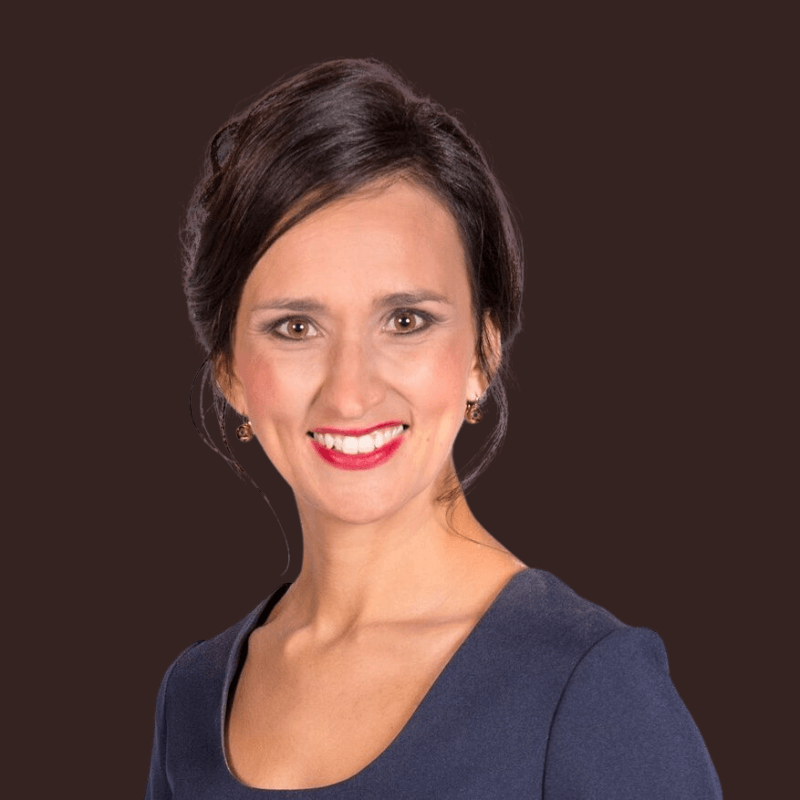
About the author
Dr Hanlie Lottering
Dr Hanlie Lottering is a general practitioner in Garsfontein, Pretoria, with a particular interest in women's health, hormonal health, menopause care and weight management.
Contact
Holistic Life Institute
Consulting hours
Monday – Thursday: 08:00 – 16:30
Friday: 08:00 – 12:00
Saturday & Sunday: closed